

Rooftop work is one of the riskiest tasks in facility maintenance and commercial property management. Falls from heights cause over 1,000 fatalities annually in the U.S. and thousands more serious injuries. In schools and institutional facilities, nearly 30% of rooftop incidents involve maintenance personnel accessing hatches and skylights. Understanding how OSHA enforces its standards helps facility managers reduce risks, stay compliant and protect workers before accidents occur.
OSHA regulations cover guardrails, skylights, roof hatches and safe access systems. Enforcement relies on inspections, citations and employer accountability to ensure safety measures are consistently followed.
Why rooftop safety enforcement matters
Rooftop work poses unique hazards, including unprotected edges, skylights and uneven surfaces. Weather conditions and frequent maintenance activities further increase fall risks. OSHA standards help ensure protective systems are properly installed, maintained and used.
Facility leaders should recognize that rooftop fall protection is ongoing and not a one-time setup. Organizations that take a proactive approach reduce the likelihood of violations and improve both safety and productivity.
Rooftop safety and security considerations for schools
School rooftops are similar and present unique fall and security risks due to large campuses and multiple access points. Unsecured hatches and skylights and frequent maintenance can expose students, staff and contractors to hazards. Schools must also address overall building security while OSHA focuses on worker protection.
Common rooftop risks include:
- Unsecured access hatches
- Skylights without guardrails
- HVAC equipment requiring frequent access
- Low parapet walls
- Temporary safety systems removed after work
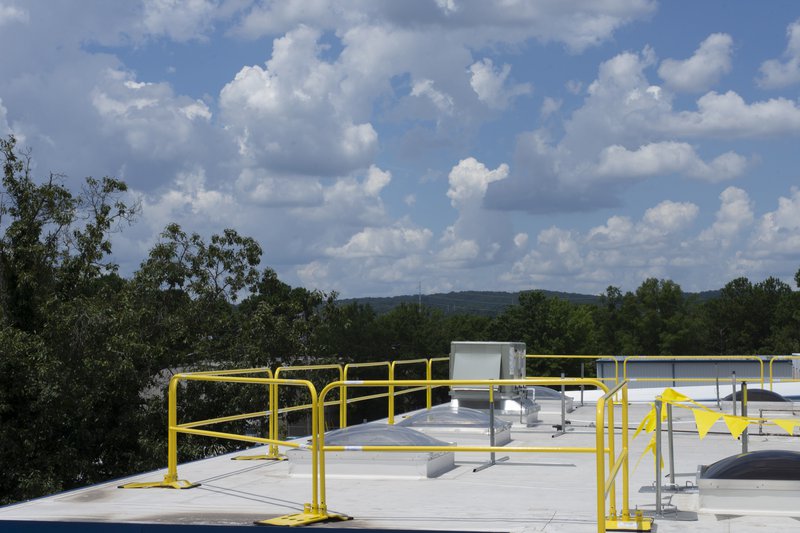
Rooftop equipment upgrades can create new hazards as well which makes routine assessments essential. Permanent and non-penetrating guardrails, such as NextGen 3000, provides reliable fall protection and safer maintenance paths across school campuses.
How OSHA enforces its standards
Workplace inspections usually start when Occupational Safety and Health Administration compliance officers review a site. Inspections may be scheduled or triggered by complaints, incidents or high-risk industry targeting. These environments often receive higher inspection priority since fall hazards are common in construction and rooftop work.
Inspections typically follow a structured process:
- Opening conference explaining inspection scope and employer responsibilities
- Walkthrough evaluation focused on fall hazards and rooftop access systems
- Documentation review including safety training and inspection records
- Closing conference outlining violations or recommended corrective actions
Compliance officers evaluate whether guardrails, access systems and hazard controls meet OSHA requirements. Rooftop safety systems must protect workers at heights of six feet or greater in construction environments (OSHA, 2024).
Common rooftop violations OSHA identifies
Many rooftop violations occur because safety systems are missing and damaged or improperly installed. OSHA frequently cites organizations for failing to protect workers around skylights or roof edges. Temporary safety measures are also commonly flagged when they do not meet structural requirements.
Typical violations include:
- Missing or incomplete guardrail systems near roof edges
- Unprotected skylights or floor openings
- Unsafe access points without proper landing platforms
- Lack of documented fall protection training
- Poorly maintained or outdated safety equipment
These issues often result from aging infrastructure or changes in rooftop equipment placement. Fall protection systems must adapt to new maintenance pathways as buildings evolve.
Penalties and corrective actions
OSHA issues citations with required corrective actions and financial penalties for violations. Penalty amounts vary depending on severity, employer history and hazard classification. Serious violations can exceed thousands of dollars per occurrence. Repeat violations carry significantly higher fines (OSHA, 2024).
Beyond financial impact the citations may require rapid operational adjustments to restore compliance. Organizations must implement corrective safety measures and improve documentation practices. This reinforces why preventive planning remains the most effective compliance strategy.
Preventive compliance through rooftop fall protection systems
The most effective way to reduce OSHA enforcement risks is with permanent rooftop fall protection. Guardrails with crossover systems and safe access platforms eliminate hazards before inspections and reduce reliance on personal fall arrest equipment.
Safety Rail Source was established in 1999 and provides OSHA-compliant solutions for schools, hospitals as well as hotels, manufacturing plants and industrial facilities. Their systems improve safety for existing rooftops without complex redesign.
NextGen 3000 guardrail system protects workers near roof edges with non-penetrating installation that offers consistent protection without daily setup or specialized equipment.
Additional rooftop safety solutions include:
- Guardrails for roof edges and skylight protection
- Roof access hatch safety systems
- Crossover stairways and platforms for navigating rooftop obstacles
- Elevated ramps and walkways for safer maintenance routes
These systems help organizations align rooftop safety planning with OSHA expectations while improving long-term maintenance efficiency.

The role of documentation and training in enforcement
OSHA enforcement evaluates documentation and training practices which makes physical fall protection systems essential. Employers must demonstrate that workers understand rooftop hazards and proper safety procedures. Training programs should include hazard recognition, equipment usage and emergency response planning (OSHA, 2023).
Facilities teams should also maintain updated records for inspections together with maintenance schedules and rooftop modifications. Documentation helps demonstrate ongoing compliance and reduces enforcement risk during inspections.
Building a proactive OSHA compliance strategy
Understanding how OSHA enforces its standards allows organizations to move from reactive compliance toward preventive safety planning. Effective strategies combine permanent fall protection systems with proper training and documentation, which reduces violations and supports consistent workplace safety.
A strong compliance strategy often includes:
- Conducting routine rooftop hazard assessments
- Installing permanent guardrail systems where fall exposure exists
- Updating safety measures when rooftop equipment changes
- Maintaining documented inspection and training programs
Organizations that invest in preventive fall protection typically experience fewer disruptions during OSHA inspections. More importantly they create safer environments for workers performing routine rooftop tasks.
Strengthen rooftop safety before OSHA enforcement
OSHA enforces rooftop safety through inspections, citations and required corrections in which fall hazards remaining a top priority due to their severity and frequency. Protect your team with Safety Rail Source’s guardrails together with skylight protection and safe access systems before issues arise.
Contact us today and we will assist you install OSHA-compliant, permanent rooftop solutions to reduce risks, stay compliant, and give your workers and facility managers peace of mind while maintaining safe and efficient rooftops.