


Roof hatch upgrades can improve rooftop safety, maintenance access and long-term facility planning. For many school districts, the bigger challenge is not the need for safer access, but the time it takes to move the project through procurement.
District teams often face tight budgets, limited staff and short project windows. A co-op vendor can help schools move qualified roof hatch upgrades forward through an approved contract path, without a separate bid process for every purchase.
Why School Districts Need Faster Paths for Safety Projects
School facility teams often manage more work than their schedules allow. Aging buildings, roof access concerns, HVAC service needs and safety requirements can all compete for attention at the same time. When a roof hatch needs an upgrade, the project may seem straightforward from a maintenance standpoint but slow from a purchasing standpoint.
That delay can create pressure for both the facility and procurement teams. Maintenance staff still need roof access for inspections, repairs and equipment service. At the same time, procurement staff must document purchases, review vendors and protect district budgets.
A faster purchase path helps both teams act with less friction. Facility teams can address known safety concerns sooner while procurement teams still keep the process organized, documented and aligned with district requirements. For roof access concerns, districts can review safer access options and hatch solutions as part of that planning process.
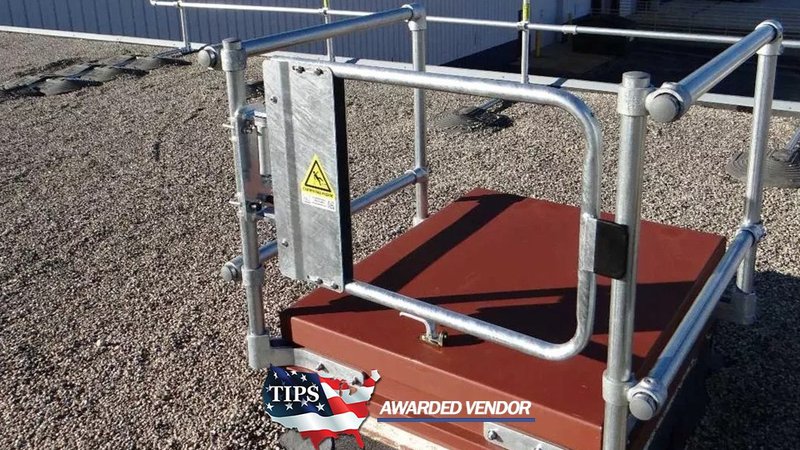
How Co-Op Vendors Help Move Roof Hatch Projects Faster
Co-op vendors help school districts reduce the repeated steps that often slow facility projects. In simple terms, a co-op vendor is part of a cooperative purchasing contract that public entities can use for approved purchases. The vendor and contract path have already gone through a cooperative purchasing process, so the district does not have to start from zero.
Schools may still need to confirm the project scope, review pricing, route the request through purchasing and wait for purchase order approval. The difference is that teams can work from an existing contract path instead of starting a new bid process.
For schools that are looking to implement roof hatch upgradings, sourcing one’s equipment from approved co-op vendors can save valuable time. Facility teams can spend more time evaluating project fit and avoid navigating lengthy vendor reviews. This gives school staff more time to focus on managing the project, specifically whether the solution aligns with the building, budget, schedule and rooftop access. For example, districts dealing with heavy or difficult-to-control roof hatches can more efficiently source solutions, such as the NextGen Lift & Lock™ Roof Hatch Opener, through an approved co-op vendor like Safety Rails Source.
Co-Op Purchasing Supports Competitive Procurement
Some school leaders may worry that co-op purchasing skips important review steps. In practice, cooperative contracts are designed to support public purchasing requirements. The contract has already gone through a competitive process, which can help districts reduce duplicate work without treating the purchase like a shortcut.
That distinction matters for roof hatch upgrades. Facility teams may already know which access points need attention, but procurement teams still need a documented way to approve the purchase. Co-op purchasing helps connect the safety need with a clear approval path, especially when districts need to address school safety concerns tied to rooftop access.
For purchasing departments, the benefit is practical. Teams can reduce repeat bid work, simplify vendor review and keep stronger records for internal approvals. This makes it easier to approve needed safety upgrades while keeping the purchase process clear.
How Co-Op Vendors Help Districts Meet Summer Maintenance Timelines
Many school districts schedule facility work during summer break or short windows between semesters. Roof hatch upgrades often fit that schedule because crews can work with less disruption to students, staff and daily operations. Procurement delays can quickly use up the same window districts need for the work itself.
Co-op purchasing can help districts act sooner. When the vendor path already exists, teams spend less time on repeated bid steps and more time on project planning, product fit and scheduling. That can help roof access improvements move forward before school resumes.
Facility teams can also prioritize the most urgent sites first. A district may start with heavily used roof hatches, difficult ladder access points or buildings with frequent maintenance needs. From there, teams can plan future upgrades with a clearer process, including a safer route from the hatch to rooftop equipment where needed.
A clear purchase path can also help districts align roof hatch work with a strong maintenance schedule. This gives facility teams a better way to plan safety upgrades before the next short maintenance window closes.
What Schools Should Review Before a Roof Hatch Upgrade
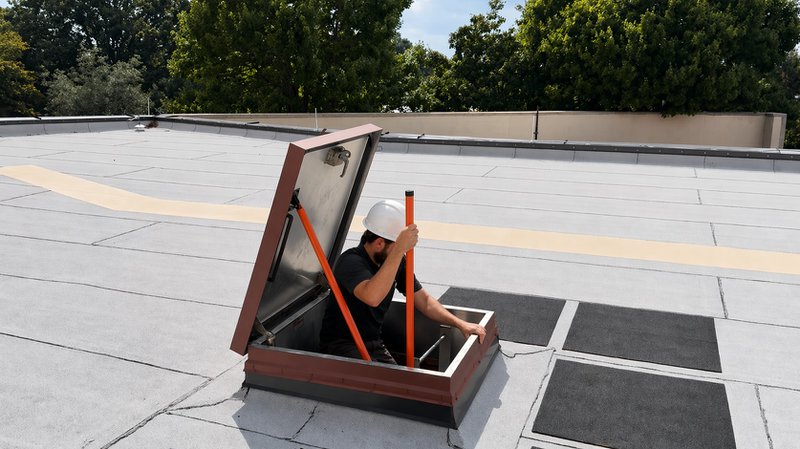
A roof hatch upgrade should match the way staff use the building. Facility teams should review the full access point before they choose a product. That helps the district define the scope clearly before it uses a co-op purchasing path.
Key items to review include:
- Hatch condition: Check whether the lid feels heavy, damaged or hard to control.
- Ladder access: Confirm staff can climb, open the hatch and step onto the roof safely.
- Nearby hazards: Look for skylights, HVAC units, roof edges or low parapet walls.
- Access control: Review whether only authorized staff can reach the roof.
- Maintenance routes: Check how workers move from the hatch to rooftop equipment.
A clear review helps facility and procurement teams align faster. Once the district knows which access point needs attention, it can compare approved options without extra back-and-forth. For heavy or hard-to-control hatches, NextGen Lift & Lock Roof Hatch Opener can support safer access from the base of the ladder.
How Districts Can Standardize Safety Across Multiple Campuses
Large school districts often manage several schools, maintenance buildings, athletic structures and support facilities. Each site may have different roof hatch locations, ladder setups and rooftop access routes. Without a consistent plan, each upgrade can create a separate decision and delay.
Co-op vendors can help districts take a more organized approach. Facility teams can review the highest-risk access points first, then use the same approved purchasing path for future buildings. That can reduce repeated vendor reviews, support consistent equipment and make roof hatch projects easier to plan across campuses.
A co-op purchasing path can also help districts complete improvements on a clearer timeline. School districts and government agencies can simplify procurement for roof hatch safety upgrades through approved co-op vendors such as Safety Rail Source. For support with roof access planning, districts can contact Safety Rail Source to review rooftop safety needs and practical co-op purchasing options.