
Falls remain one of the most serious hazards in elevated work environments, and the risk persists even during temporary tasks. Whether access is brief or conditions are constantly changing, these work areas require proper fall protection.
Not every elevated work area calls for a permanent safety system. On many job sites and in many facilities, workers move between short-term tasks, changing access points and temporary work zones. Maintenance, repairs and construction work can all create fall hazards that need to be addressed.
That is where portable fall protection can play an important role. These systems help protect workers in areas where permanent equipment may not be practical while supporting safer access in changing work environments. OSHA states that falls are among the most common causes of serious work-related injuries and deaths. The recent federal data showed 844 fatal falls, slips, and trips in 2024. In construction falls from elevation accounted for 389 of 1,034 fatalities in 2024.
How Portable Fall Protection Supports Temporary Work Areas
A temporary work area may only be used for a short period, but the risk is still serious. A worker inspecting rooftop equipment, servicing machinery near an edge or performing repairs on an elevated surface faces many of the same hazards found in permanent work zones.
In some cases, temporary work areas can be even more challenging. Layouts may change and access points may be limited. Workers may also need to move between multiple locations. With that, temporary work should never mean reduced protection.
How Portable Fall Protection Supports Temporary Work
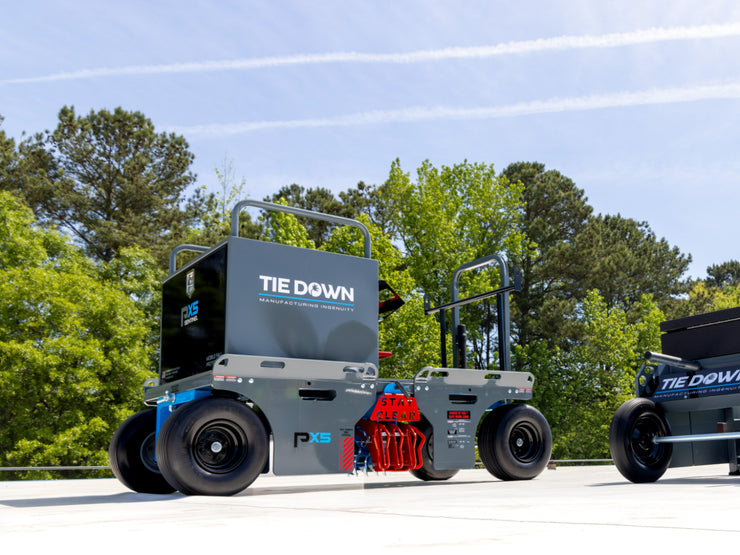
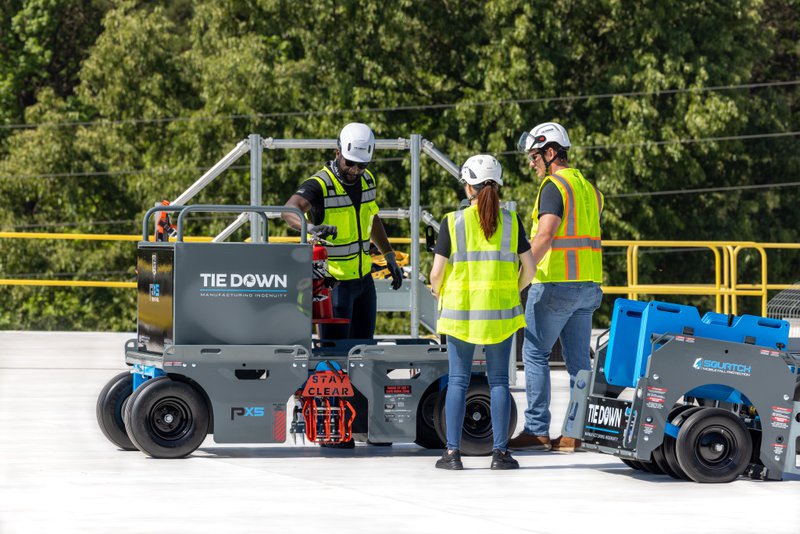
Portable fall protection refers to systems that can be moved, repositioned or used in different temporary work areas. These solutions are often selected when work locations change frequently or when a facility needs flexibility without making permanent structural modifications. the PX5 - Sentinel™ and Hippo Anchor™ are great for applications that require portable protection in changing work areas.
Portable systems may support fall restraint and fall arrest or controlled access around elevated work areas depending on the application. The right setup depends on the work surface, including nearby hazards and how workers need to move through the area
Flexibility for Changing Work Areas
Some elevated work zones are only active during specific tasks. Others shift from one part of the facility to another. Portable systems help teams respond to those changes without relying on fixed equipment in every location.
Practical Protection Without Permanent Installation
In some situations, installing permanent fall protection on a roof or other elevated structure may not be necessary or practical. Portable fall protection offers a way to address temporary hazards without making permanent changes to the existing structure.
Support for Maintenance, Repair and Short-Term Access
Facilities often need safe access for maintenance teams, service contractors or inspection crews. Portable systems can help provide protection during these tasks, especially when workers only need access for a limited time. Depending on the work area, that may include mobile systems such as BigFoot™ and Squatch™.
Efficient Use Across Multiple Work Zones
Because portable systems can be repositioned, they may be used in more than one area as work changes. This can make them a practical option for facilities managing a variety of short-term elevated tasks.
Where Portable Fall Protection Is Commonly Used
Portable systems are often used in locations where work conditions change, and permanent protection is not always the best fit. Common applications include:
- Rooftop maintenance areas
- Short-term construction zones
- Equipment service locations
- Temporary access points
- Inspection and repair work areas
In each of these settings, the goal is the same: provide dependable protection while allowing workers to complete the job safely.
What to Consider When Choosing Portable Fall Protection
Not every temporary work area has the same requirements. Choosing the right portable fall protection solution starts with a close review of the job conditions.
- Work surface and structural conditions
The system should be suitable for the surface where it will be used. Roof type, slope, available space and nearby hazards all affect which portable solution makes sense. - Type of work and duration
The work itself and the length of access also matter. A short inspection may call for a different setup than a repair task that involves more movement or repeated access. - Worker movement and hazard exposure
Some temporary jobs keep workers in one area, while others require movement across a larger space. The system should support that movement without increasing risks such as swing falls or poor tie-off positioning. - Ease of setup and use
Portable systems should also be practical for the team using them. If setup is too complicated or takes too long, it can affect both efficiency and safe use in the field.
Why Planning Still Matters
Even when work is temporary, planning remains essential. Portable equipment should be selected and positioned with the same level of care given to permanent systems. Work area conditions, tie-off needs and worker movement should all be reviewed before the job begins.
A short-term task can still create serious fall risk. The right portable fall protection solution helps teams address that risk while maintaining flexibility on the job.
Portable Fall Protection Solutions from Safety Rail Source
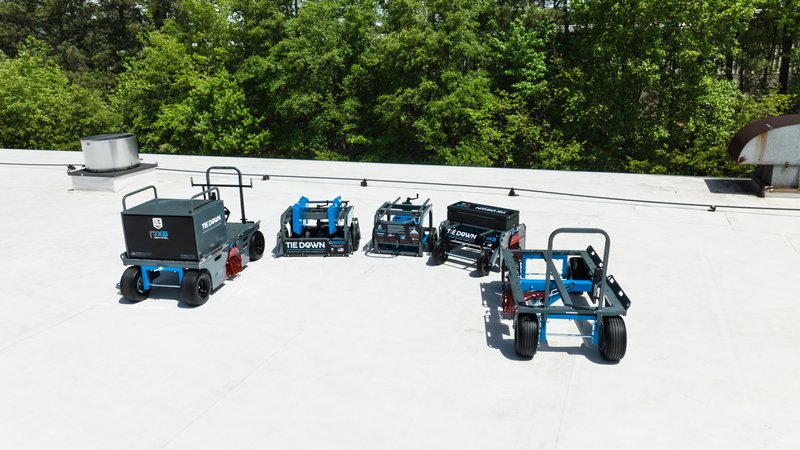
At Safety Rail Source, we provide solutions designed to support safer access in elevated and changing work environments. Products such as BigFoot™, Squatch™, PX5 - Sentinel™ and Hippo Anchor™ can help facilities and contractors address fall hazards during short-term tasks without relying on permanent equipment in every location.
If your team needs a flexible way to address fall hazards without installing permanent equipment in every location, portable systems may be the right fit.
Contact Safety Rail Source to learn more about portable fall protection solutions for temporary work areas.