
Maintaining safe rooftop access is a constant concern for facility managers. Workers regularly inspect HVAC units repair roofing systems and service communication equipment. These tasks often place personnel near exposed roof edges.
Because of this risk, many safety programs evaluate horizontal lifeline systems when reviewing rooftop fall protection options. These systems allow workers to remain tied off while moving through large rooftop work areas.
Horizontal lifeline systems are not always the first choice for fall protection. Guardrails often provide stronger protection because they create a physical barrier. However, some rooftops require workers to move through wide service zones where guardrails are not practical.
In those situations, horizontal lifeline systems can provide continuous protection while allowing workers to travel safely across the roof.
Understanding how horizontal lifeline systems work
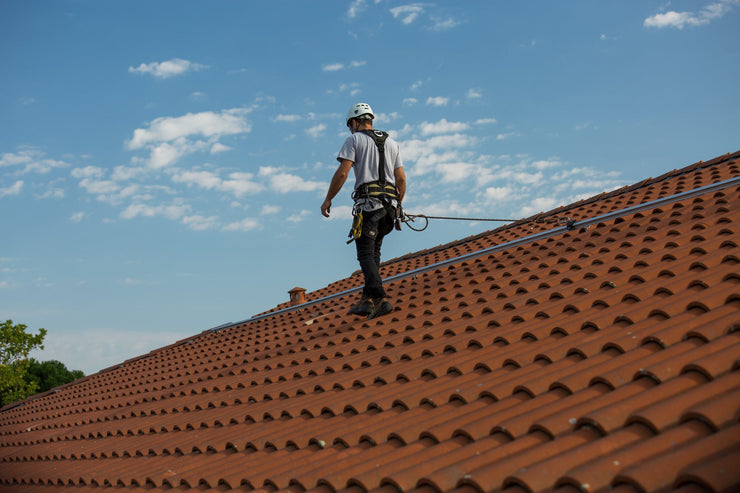
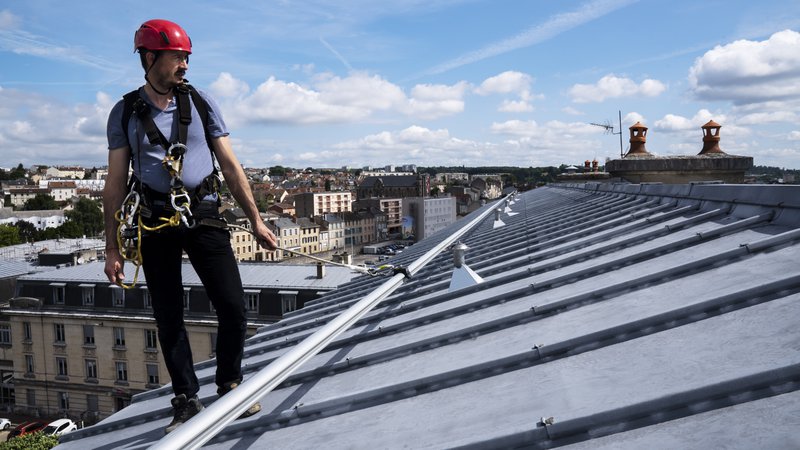
Horizontal lifeline systems protect workers who must move across elevated surfaces. The system typically includes anchor points connected by a tensioned cable or lifeline. Workers attach their safety harness to the line using a lanyard or trolley.
As workers move across the rooftop, the connection slides along the lifeline. This setup allows technicians to travel between service locations without disconnecting their fall protection.
Unlike guardrails which stop workers from reaching a hazard, horizontal lifeline systems allow movement within a protected zone. This flexibility makes them useful for maintenance areas that require frequent access.
Because of this design, horizontal lifeline systems are often used in service corridors or large equipment zones on industrial rooftops.
Not every roof requires a lifeline system. Many buildings benefit more from permanent guardrails along exposed edges.
However, horizontal lifeline systems can be effective when workers must travel across large open roof sections. For example, some industrial facilities have long rows of HVAC equipment or ventilation systems. Maintenance staff must move between these units during inspections and repairs. Horizontal lifeline systems allow technicians to remain connected while traveling through these areas.
These systems are commonly used in locations such as:
- Large commercial rooftops with distributed mechanical equipment
- Maintenance pathways that run parallel to roof edges
- Service zones where workers travel long distances between equipment
- Areas where temporary fall protection would slow routine maintenance
In these environments, a horizontal lifeline helps protect workers while maintaining mobility.
When guardrails may provide better protection
Although horizontal lifeline systems offer flexibility, they require workers to wear harnesses and attach properly. This adds equipment requirements and training responsibilities.
For this reason, many safety professionals prefer passive fall protection when possible. Passive systems protect workers without requiring personal equipment.
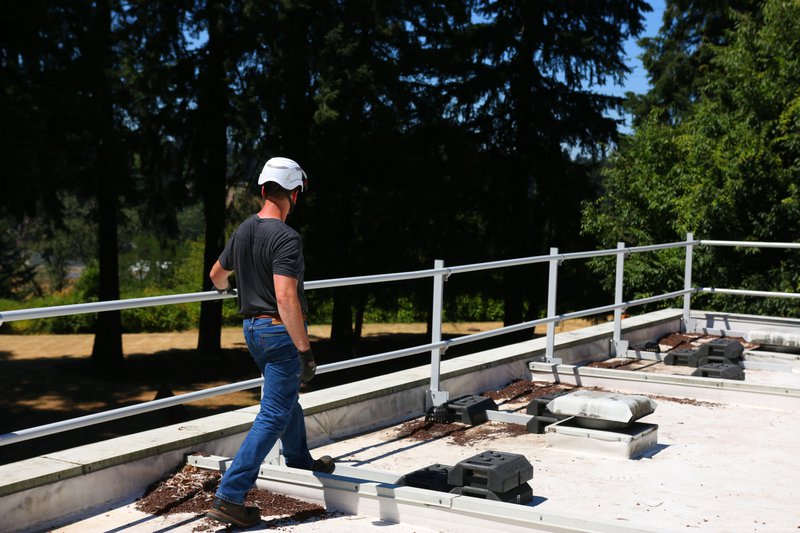
Guardrail systems create permanent barriers around fall hazards. Workers can perform tasks near the edge without attaching to a lifeline.
NextGen 3000 Guardrails from Safety Rail Source provide this type of protection. These guardrails protect roof edges skylights hatch openings and equipment platforms.
Once installed they provide continuous protection without daily setup or connection procedures.
Supporting Rooftop Travel with Multiple Safety Systems
Horizontal lifeline systems protect workers while they move across open rooftop areas. However, rooftops often contain multiple hazards that require additional protection.
With this, many facilities combine lifeline systems with other rooftop safety equipment. Each system helps address a different risk found during maintenance work.
Guardrails typically protect roof edges skylights and other permanent fall hazards. Lifeline systems protect workers as they travel between equipment areas or inspection points.
Additional rooftop access equipment can also improve safety and organization. Safety Rail Source offers several solutions that support controlled rooftop movement:
- NextGen Fixed Ladder provides secure access between ground level and rooftop work areas.
- For roof hatch entry points, NextGen Lift & Lock Roof Hatch Opener helps control access and restrict unauthorized entry.
- Workers can also move safely over rooftop pipes ducts and equipment using NextGen Crossover Stairways.
When used together these systems create safer travel paths across complex rooftops. Maintenance teams can reach service areas while staying protected from fall hazards.
Choosing the right rooftop fall protection approach
Every rooftop presents different safety challenges. Building layout equipment locations and maintenance tasks all influence fall protection needs.
In many situations permanent guardrails provide the most reliable protection. However, horizontal lifeline systems can support safe movement across large service areas.
Many facilities combine several solutions. Guardrails protect fixed hazards while lifeline systems support safe travel between work zones.
By reviewing rooftop layouts and OSHA fall protection requirements facility managers can choose the right protection for their maintenance teams.
Safety Rail Source provides guardrails ladders lifeline systems and rooftop access solutions designed for existing facilities. Contact us today to learn how these systems can help improve rooftop safety and OSHA compliance.