
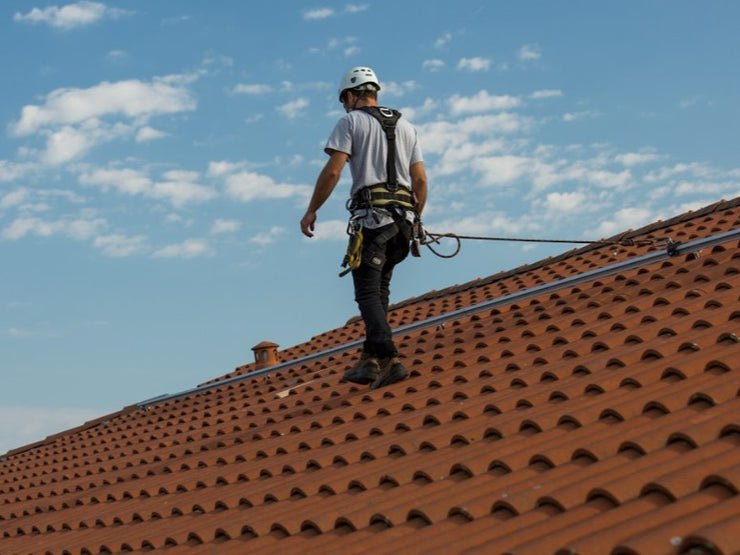
A horizontal lifeline system allows workers to remain connected to a fall protection system as they move across a rooftop. Rather than disconnecting and reconnecting at multiple fixed anchor points, workers attach to a cable that runs between two or more anchors and can travel along the system while maintaining protection. This approach is well suited for rooftops where workers need to cover long distances in multiple locations.
Facility managers who plan carefully can provide reliable protection for years without repeated setup and teardown. Anchor placement, system type, load capacity and inspection schedule all determine how well the system performs over time.
When a horizontal lifeline system makes sense
A horizontal lifeline system consists of a cable, two or more anchor points and the connectors that attach a worker's harness to the line. The cable runs between the anchors and allows a worker to move laterally while staying tied off. When a fall occurs, the system absorbs and redirects the force to the anchors rather than a single fixed point.
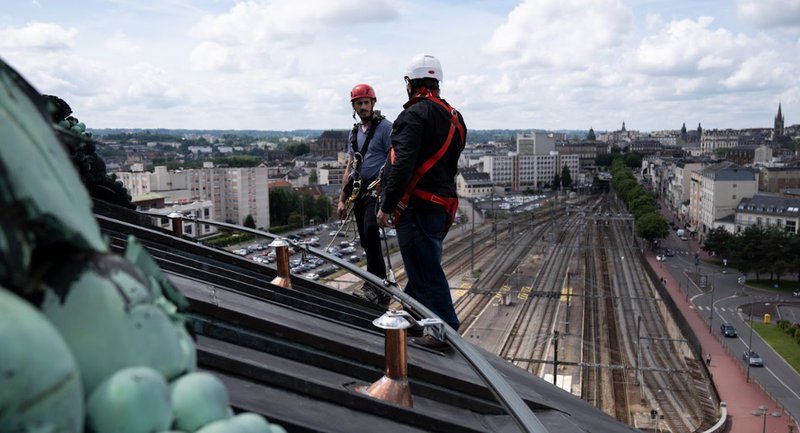
This setup is different from a single anchor, which only protects a worker within the radius of the attached lanyard. A horizontal lifeline covers a defined zone across the roof, which suits long work areas like roof edges, equipment rows or maintenance paths. Vertical and horizontal lifeline systems are available in configurations that suit a range of rooftop layouts and access needs.
When a horizontal lifeline system makes sense
A horizontal lifeline system is not always the right tool. Guardrails are the preferred passive solution for roof edges and fixed work areas because they protect workers without requiring any equipment connection. Meanwhile, a horizontal lifeline system is better suited for situations where guardrails are not practical or where workers need to move across a larger area than a single anchor can cover.
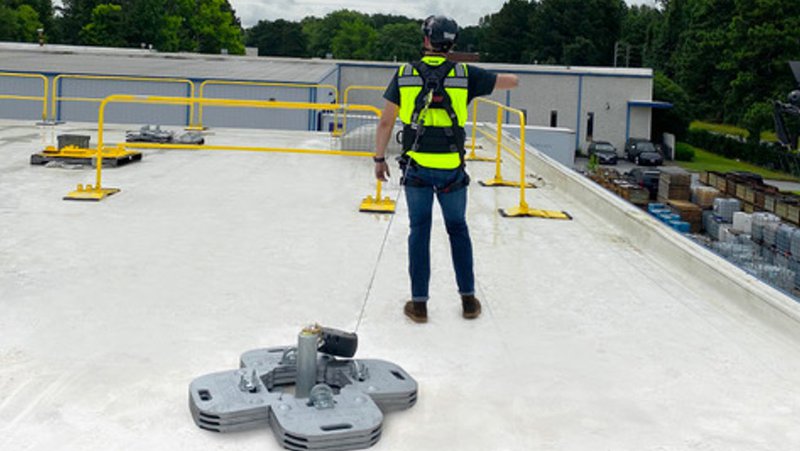
Several common rooftop scenarios call for a horizontal lifeline system. These include long roof runs with HVAC equipment spaced at intervals, areas where roof penetrations make guardrail installation difficult and rooftops where workers regularly service equipment near unprotected edges. The difference between fall arrest and fall restraint also affects which system fits the task.
Key components of a horizontal lifeline system
Every horizontal lifeline system shares the same core components. The cable is typically stainless steel for corrosion resistance and long-term durability. End anchors attach the cable to the roof structure and must meet load requirements set by OSHA and the system engineer. Intermediate supports keep the cable at the correct height across longer spans. Energy absorbers reduce the force applied to anchors and the worker during a fall.
Workers also need compatible bodywear and connectors to use the system safely. A full-body harness, a self-retracting lifeline or an energy-absorbing lanyard and a compatible runner or slider complete the personal side of the system. Mixing unmatched parts from different manufacturers can compromise performance. A full overview of anchors, bodywear and connectors helps facility teams confirm they have compatible equipment before workers go on the roof.
Planning anchor point placement for long-term use
Anchor placement determines how well a horizontal lifeline system protects workers across the roof. Anchors must attach to structural members that can handle the load generated by a fall. The roof deck surface, membrane type and underlying structure all affect which anchor options work and where they can be installed.
Anchor placement also affects swing fall risk. A worker who moves too far to the side of the cable path before a fall can swing across the roof rather than stopping in place. Keeping anchor points aligned with the actual work path reduces risks. Rooftops that change over time may also require anchor repositioning to maintain effective coverage. New equipment, modified access routes or roof replacements can all shift where workers need protection. Roof anchors designed for flat and low-slope commercial rooftops are available in penetrating and non-penetrating options depending on the roof structure and warranty requirements.
Keeping your rooftop lifeline in good working order
A horizontal lifeline system requires regular inspection to stay reliable. OSHA requires that horizontal lifelines be designed, installed and used under the supervision of a qualified person. Beyond installation, the system should be visually inspected before each use and formally inspected by a qualified person at least annually. Some manufacturers recommend recertification every five to ten years depending on use and exposure.
Inspections should cover cable condition, anchor integrity, energy absorber status and the condition of all hardware. Corrosion, cable fraying, loose fittings and impact-loaded components are all reasons to remove a system from service until repairs are made. A consistent fall protection maintenance schedule helps facility teams stay ahead of wear before it becomes a safety issue.
Horizontal lifeline system planning checklist for facility managers
A structured review before installation helps avoid gaps that are difficult to correct after the fact. Key items to address include:
- Roof structure assessment. Confirm that anchor locations have sufficient structural capacity to handle fall loads. Involve a qualified engineer when the structure is uncertain.
- Work path mapping. Identify the routes workers take from the access point to each service area. Anchor placement should follow those routes closely.
- System type selection. Determine whether fall arrest or fall restraint better fits the task. That choice affects cable height, anchor spacing and connector type.
- Compatibility check. Confirm that harnesses, lanyards and connectors are rated for use with the specific lifeline system being installed.
- Inspection schedule. Set a formal annual inspection date and assign responsibility before the system goes into service.
- Contractor access. Confirm whether outside crews will use the system and whether they need orientation or additional tie-off points.
Custom fall arrest solutions can address rooftops where standard configurations do not provide adequate coverage.
Contact Safety Rail Source today to review your rooftop layout and find the right horizontal lifeline system for your facility's long-term safety needs.