

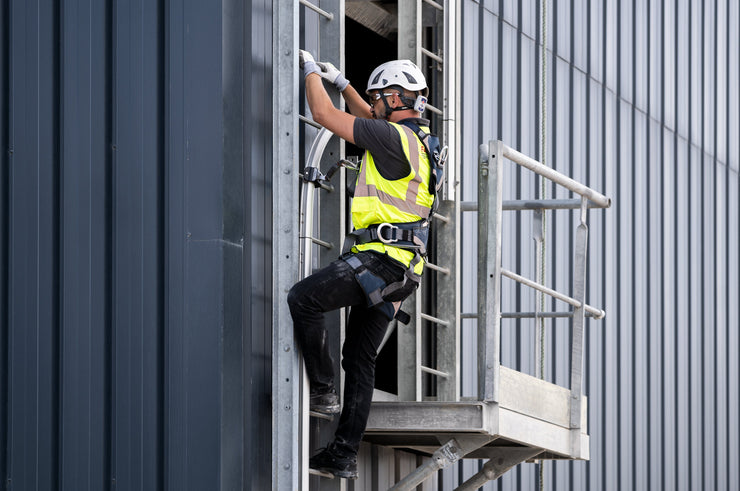
Vertical lifeline systems matter because fixed ladders expose workers to risk before they ever reach the roof. What appears straightforward from the ground becomes far more demanding at height, where every step requires focus and reliable fall protection that moves with the worker throughout the climb.
That risk increases when climbs are frequent, when tools are involved, or when workers transition between the ladder and the roof access point. For facility leaders, the question goes beyond whether a ladder is in place. It is whether workers are protected by dependable fall protection as they ascend and descend.
Why Fixed Ladders Create Serious Fall Risks
A fixed ladder can look routine from the ground. But for the worker climbing it, the risk is immediate. One missed rung, a little slip, or a moment of lost balance can turn a normal climb into a fall.
The danger grows when the ladder is used often. Maintenance teams may climb to inspect roof conditions, service equipment or respond to urgent repairs. Each climb puts the worker in a position where fall protection needs to work.
Facility leaders may not see that risk firsthand. They may approve roof access decisions from an office while someone else climbs the ladder in heat, wind or poor visibility. That worker depends on the safety measures already in place.
Fixed ladder safety should not depend on perfect footing or focus. When workers climb at height, the system should ensure their safety at all times.
Where Workers Face the Most Danger on Fixed Ladders
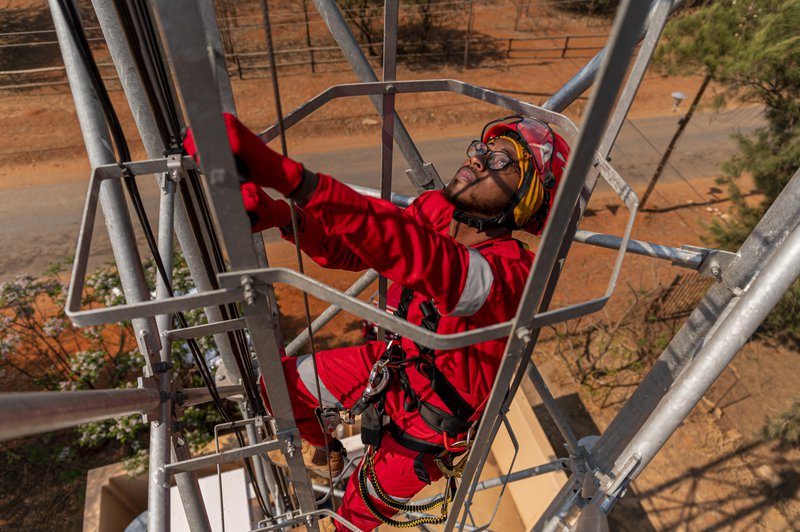
The most dangerous moments on a fixed ladder often occur during transitions. A worker may be secure while climbing, then encounter increased risk at the top when stepping off the ladder or onto the roof. That brief movement demands precise balance and full attention at the exact moment protection can feel least certain.
Risk increases when workers carry tools or respond to urgent maintenance calls. Speed becomes a priority, but the ladder still requires deliberate and controlled footing, thus leaving little room for error.
Descending can also create serious risks. A worker may be tired after completing a rooftop task or distracted by the next step in the job. If footing slips during the climb down, the fall can happen before anyone has time to react.
This is why fixed ladder safety should account for the full climb. Workers need protection while climbing, transitioning and descending.
What Fixed Ladder Safety Products Can Add Beyond the Lifeline
Fixed ladder safety should look beyond the climb itself. A vertical lifeline system can support workers while they move up and down the ladder but the surrounding access area also matters. Workers still need protection when they reach the top and step off the ladder or move near the roof opening.
Other fixed ladder safety products can help close those safety gaps. Guardrails near ladder openings can help protect transition points where workers are most vulnerable. Ladder safety accessories can also help define where workers enter, exit and move around the access point.
This broader approach matters because fall exposure does not always happen in one place. A worker may be protected while climbing but still face risk at the top of the ladder. Fixed ladder safety should account for the full access path and not only the ladder itself.
Why Vertical Lifeline Systems Should Be Reviewed Before Routine Work Begins
Fixed ladder access can become so familiar that teams stop seeing the danger. A worker may climb the same ladder every week for inspections, repairs or equipment service. But familiar access does not make the climb safe.
That risk is exactly why OSHA requires a closer look at older ladder systems. Fixed ladders that extend more than 24 feet above a lower level must meet updated fall protection requirements based on when they were installed. In its May 2019 interpretation letter, OSHA explains that ladders installed on or after November 2018 must have a personal fall arrest or ladder safety system.
This shift is important because cages are no longer considered adequate fall protection for fixed ladders installed on or after that date. While existing ladders with cages or wells can remain in service, they are only a temporary solution. Facilities have until November 2036, to bring these ladders into compliance. After that point, all fixed ladders must be equipped with a personal fall arrest system or ladder safety system.
Understanding these requirements is only part of the process. The next step is identifying where current ladder access may still fall short in real-world conditions. The best time to find a fall protection gap is before a worker starts the climb. A review should look at:
- How often the ladder is used
- Where workers transition on and off the ladder
- Whether current protection supports the full climb
- How weather or poor visibility can affect footing
- What tools or materials workers may carry
Routine work should never depend on luck. Facility leaders should know whether the access point is protected before the next job begins.
How Vertical Lifeline Systems Support Existing Rooftop Access
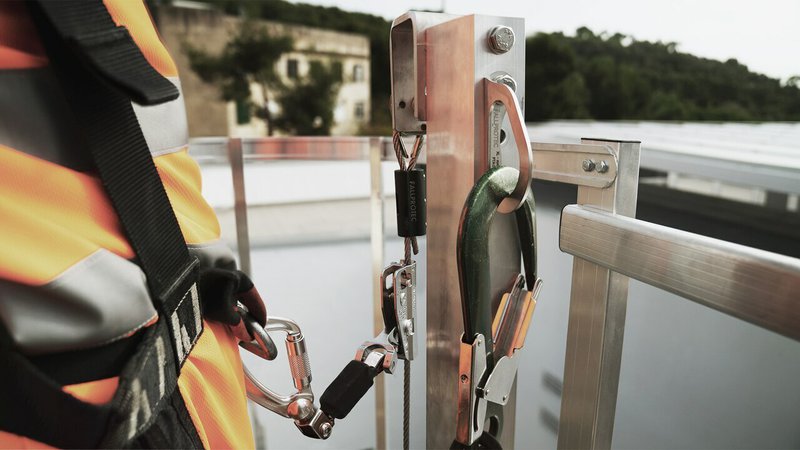
Vertical lifeline systems can help facilities improve fixed ladder safety without changing the purpose of the access point. They support workers who already need to climb for inspections, service calls or roof access.
This matters for existing buildings. Many ladders were installed before today’s rooftop access needs became more frequent. A solution such as NextGen SecuRope™ Fixed Ladder Lifeline can help add vertical lifeline support to fixed ladder access where workers already climb. The goal is to reduce exposure without relying on workers to manage the climb alone.
When Facility Leaders Should Act on Fixed Ladder Fall Risks
Facility leaders should act before a fixed ladder fall or liability problem forces the conversation. A near miss means someone was already too close to danger. Waiting for an incident puts workers at risk and gives safety teams less time to respond.
A review is especially important when ladders are used often. Maintenance teams may climb for inspections, service calls or roof access throughout the year.
Older ladders frequent access and exposed transition points should trigger a closer look. If workers rely on the same ladder week after week, the protection around that ladder should not be left to assumption.
Safety Rail Source can help assess fixed ladder safety needs and provide rooftop fall protection solutions for existing structures. Contact Safety Rail Source before the next routine climb puts someone in danger.