

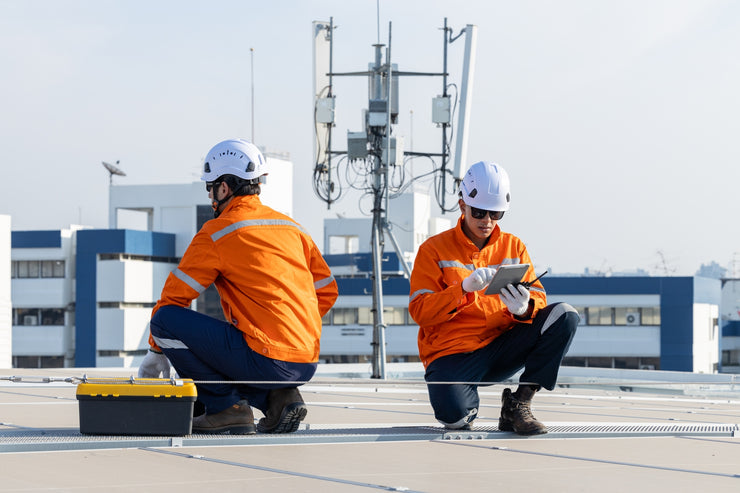
Rooftop guardrail systems play a major role in school facility safety. They help protect maintenance staff near roof edges, access points, skylights and rooftop equipment. They also create a visible, consistent layer of fall protection that does not depend on workers to tie off before every task.
For schools that manage multiple buildings or aging infrastructure, consistency matters. However, guardrails alone rarely cover every rooftop risk. A safer plan looks at the full path workers take, from the moment they access the roof to the moment they return inside.
Rooftop Guardrail Systems for School Safety
School maintenance personnel access roof areas more often than many people assume. HVAC filter changes, refrigerant checks, drain service, antenna service, seasonal inspections and storm damage reviews can all bring workers to the roof. Contractors who handle specialized repairs can add even more rooftop visits each year.
A permanent guardrail system defines safer areas before staff reach hazards. Unlike personal fall arrest systems, which require training, inspection, anchor points and consistent use, a passive guardrail works as soon as someone approaches the protected area. This can help protect rushed workers, substitute technicians or contractors who may not know the building well.
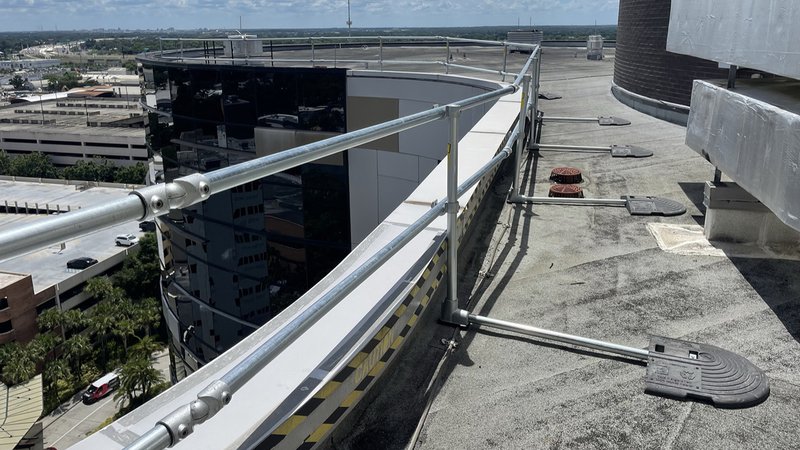
NextGen 3000™ Universal Guardrail can help protect rooftop areas where schools need consistent edge protection. Non-penetrating systems can also help protect the roof membrane, which matters for warranty preservation and long-term weather performance.
Where Guardrails May Fall Short
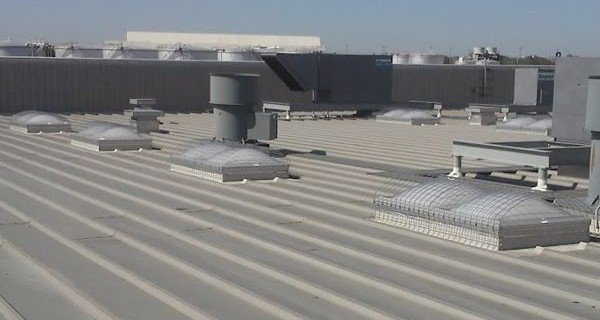
Guardrails can protect many roof edges, but they may not solve every rooftop risk. School roofs often include hatches, skylights, fixed ladders, HVAC units, pipes and narrow access routes. In some areas, facility teams may need added protection to close safety gaps along the routes workers actually use.
Three areas usually need utmost attention:
- Roof hatches: A roof hatch is both an entry point and a transition zone. A heavy lid, awkward ladder position or unprotected opening can create risk as staff move from ladder to roof. NextGen Lift & Lock Roof Hatch Opener can help staff open, close and secure the hatch from the base of the ladder.
- Skylights: Skylights can be easy to miss, especially near HVAC units or service paths. Older domes may not support a worker’s weight, and weather can weaken some units over time. NextGen Skylight Safety-Screens™ can help address this hazard directly.
- Equipment routes: HVAC units, gas lines, conduits, vent stacks and drains can force workers into narrow paths. A route from the hatch to a rooftop unit may pass near an edge or skylight. Facility teams should map the path workers use, not just the roof perimeter.
A complete plan should account for where workers enter, travel and complete the task. Rooftop guardrail systems may form the base of the plan, but hatches, skylights and equipment routes often need separate review.
What Facility Teams Should Review
The right setup depends on how the roof functions day to day. A small administrative building with annual inspections has different needs than a high school with rooftop HVAC for a gymnasium, kitchen and science wing. Before facility teams choose products, they should walk the roof and document:
- Roof edges: Note where staff work near unprotected sides and where parapet walls already provide protection.
- Access points: Review hatches, ladders, stair towers and roof doors. Confirm each access point limits unauthorized entry.
- Skylights and roof openings: Identify smoke vents, older skylights and abandoned penetrations that may not stand out.
- Equipment routes: Map the path from each access point to each service area.
- Maintenance frequency: Prioritize roofs that staff or contractors have access often.
- Roof condition and warranty: Check whether penetrating anchors could affect the roof membrane or the warranty.
A roof walk often reveals issues missed in blueprints. An added vent may sit along a common work path, while an older skylight may not appear in the current maintenance plan. A current roof review gives facility teams a clear picture than old drawings alone.
How Schools Can Build a Layered Safety Plan
For most schools, the strongest plan matches products to specific hazards. Guardrails can protect perimeters, while screens can protect skylights. Meanwhile, hatch hardware can support safer access points. Clear routes can help workers move from the access point to service areas with fewer gaps.
A complete plan should match the right fall protection equipment to each hazard, from edges and skylights to hatches and access routes. No single product covers every situation, and one-size-fits-all plans can leave hazards unaddressed.
A layered plan can also adapt over time. When a new HVAC unit gets added or a roof section gets replaced, facility teams can review or update individual components without a full safety system rebuild.
When Guardrails Need Support
Rooftop guardrail systems may be enough when the main hazard is a defined roof edge and workers do not cross other risky areas. In that case, guardrails create a clear boundary and reduce exposure during routine roof access. Many school roofs, however, include more than one hazard.
Guardrails may need support when staff pass skylights, open roof hatches, climb fixed ladders or move around equipment. Skylights and unprotected edges deserve separate review because they can create serious fall hazards along common rooftop work routes.
The question is not whether guardrails matter. They do. The better question is whether they protect the full route workers use. Facility teams can answer that by treating the roof as a complete work area, not just a perimeter.
How to Decide the Right Safety Mix for School Facilities
School rooftops need practical safety plans that match real maintenance activity. A roof used once a year may need a different setup than a roof with frequent HVAC service. The right system depends on access points, equipment routes, roof conditions and daily hazards.
Facility teams should start with the highest-risk areas. That may include roof edges, hatches, skylights or routes to rooftop units. From there, they can choose products that work together instead of relying on one solution for every hazard.
If a roof review shows gaps around edges, hatches, skylights or equipment routes, contact Safety Rail Source to identify the right mix of guardrails, hatch protection, skylight protection and access solutions for the facility.