
Construction projects do not always end when the crew leaves. Many buildings need rooftop access long after turnover, and that access can create fall risk for workers who service the site for years.
Temporary systems can support the build phase, but facility teams need protection that stays in place after handoff. Knowing which projects call for permanent fall protection helps owners, designers and facility teams plan safer access from the start.
Construction Projects That Require Permanent Protection
Temporary fall protection is suitable for short, defined work windows. A roofing crew can use it during the job, complete the work and remove it. On the other hand, permanent fall protection stays with the building and supports future inspections, repairs and equipment service.
Projects with rooftop equipment, repeat maintenance needs or hard-to-reach areas often need a permanent plan. HVAC units, exhaust fans, solar arrays and antennas all require service over time. Without a permanent system, each visit may require a new setup, which can add time, cost and risk.
Owners and designers benefit when they plan for long-term access before closeout. A permanent guardrail, anchor system, skylight screen or hatch system can help protect future workers. A review of construction fall protection challenges can also help teams separate short-term jobsite controls from long-term facility safety needs.
Commercial Roofs With Mechanical Equipment
Most commercial buildings carry HVAC units, chillers, exhaust fans or other mechanical equipment on the roof. Technicians need access for filter changes, service calls, seasonal checks and repairs. Each visit can place a worker near a roof edge, skylight, hatch or other fall hazard.
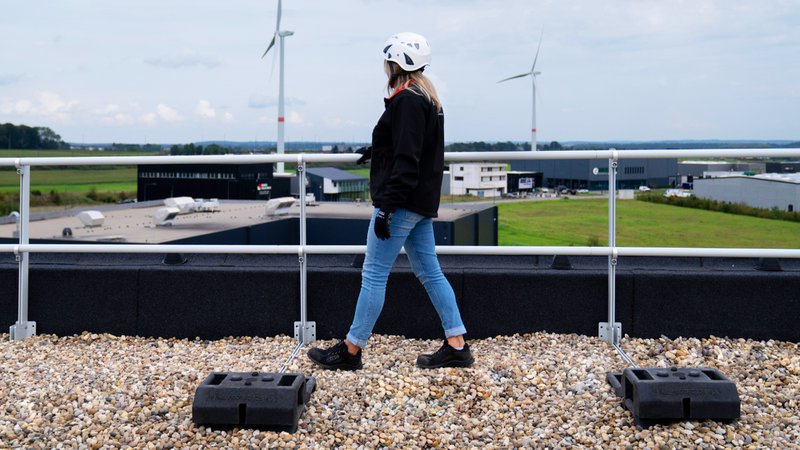
A permanent guardrail around the service area can help protect workers without a new setup each time. For example, NextGen Mighty-Lite™ Aluminum Railing can support long-term rooftop edge protection with a lightweight, corrosion-resistant system.
Unique layouts may need a tailored approach. Some roofs have corners, level changes, parapets or mixed work zones that a standard rail layout may not cover. In those cases, custom rooftop railing can match the system to the actual work path.
Public Buildings With Frequent Roof Access
Schools, hospitals, government buildings and other public facilities run on tight maintenance schedules. Their roofs may see frequent access from in-house staff, contractors, inspectors and service vendors. A permanent system can help reduce confusion near roof edges and openings, especially for workers who do not handle fall protection every day.
Permanent guardrails reduce the number of decisions a worker must make near a hazard. Once the system is in place, staff do not need to choose an anchor, measure clearance or set up a personal fall arrest system for a short task. This matters when a worker only needs a few minutes to check a vent, drain or rooftop unit.
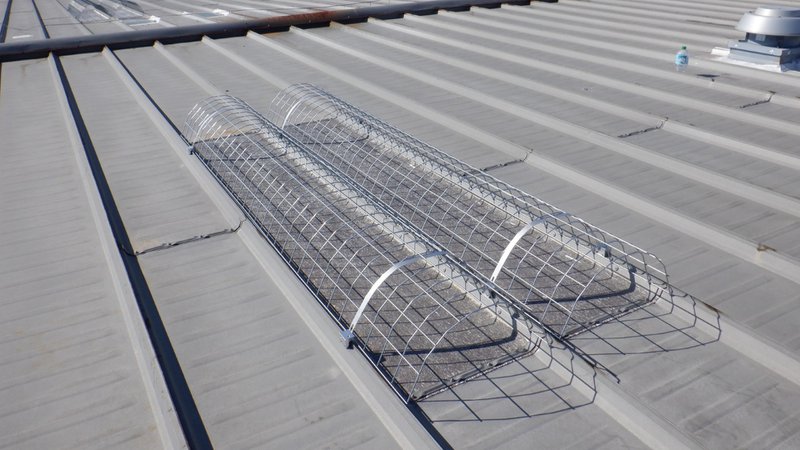
Skylights also deserve attention on these projects. A skylight may look like part of the roof, but it may not support a worker’s weight. NextGen Skylight Safety-Screens™ Model SSS can help protect skylight openings as part of a permanent rooftop safety plan.
Large Facilities With Roof Openings and Access Hazards
Warehouses, distribution centers and industrial facilities often have large roofs with multiple access points, skylights and mechanical units. Workers may face risk near edges, roof openings and equipment routes. Large roof areas can make permanent fall protection more practical than repeated temporary setups.
Roof hatches also need direct attention. A worker who climbs through a hatch may step onto the roof with limited footing and little room to adjust. Hatch protection can create a fixed barrier around the opening and support safer access at a common rooftop entry point.
Industrial facilities may need layered protection. Guardrails can protect perimeters, skylight screens can address roof openings and anchors or lifeline systems may support areas beyond the railing. The right mix helps protect the full roof, not just one edge.
Multi-Story Buildings With Exposed Edges
Unprotected roof edges are one of the most common fall hazards on multi-story buildings. If future staff or contractors will work near that edge, the project team should review permanent protection before handoff. Roof edges often become part of routine work, even when that was not the original intent. Workers may need to clear drains, inspect flashing, service equipment or check damage after wind and rain. If those tasks happen near an exposed side, the building should support safer access.
Permanent perimeter guardrails can help protect workers during routine roof access. They also create a visible boundary near exposed edges, which can reduce reliance on temporary controls after the project ends.
The right system also depends on roof shape and material. Low-slope roofs, standing seam roofs and parapet conditions may each need a different layout. For standing seam roofs, NextGen Continuous Railing™ can support edge protection without a one-size-fits-all approach.
Planning Permanent Protection for Construction Projects
A construction project that accounts for fall protection during design can avoid costly retrofits later. Owners, architects and contractors should review rooftop equipment, skylights, hatches, edges and future access paths before the roof plan is final.
Key items to review include:
- Roof type: Flat, low-slope, standing seam and pitched roofs may each need a different product.
- Access frequency: Daily, weekly or annual roof access can change the level of protection needed.
- Equipment locations: Place protection where workers travel and work.
- Worker types: In-house staff, contractors and inspectors may have different training levels.
- Future changes: A new HVAC unit, roof replacement or solar array can change the work path over time.
A coordinated plan keeps fall protection in scope from design through turnover. For help with a permanent fall protection system on your next construction project, contact Safety Rail Source to review product options and design support.