
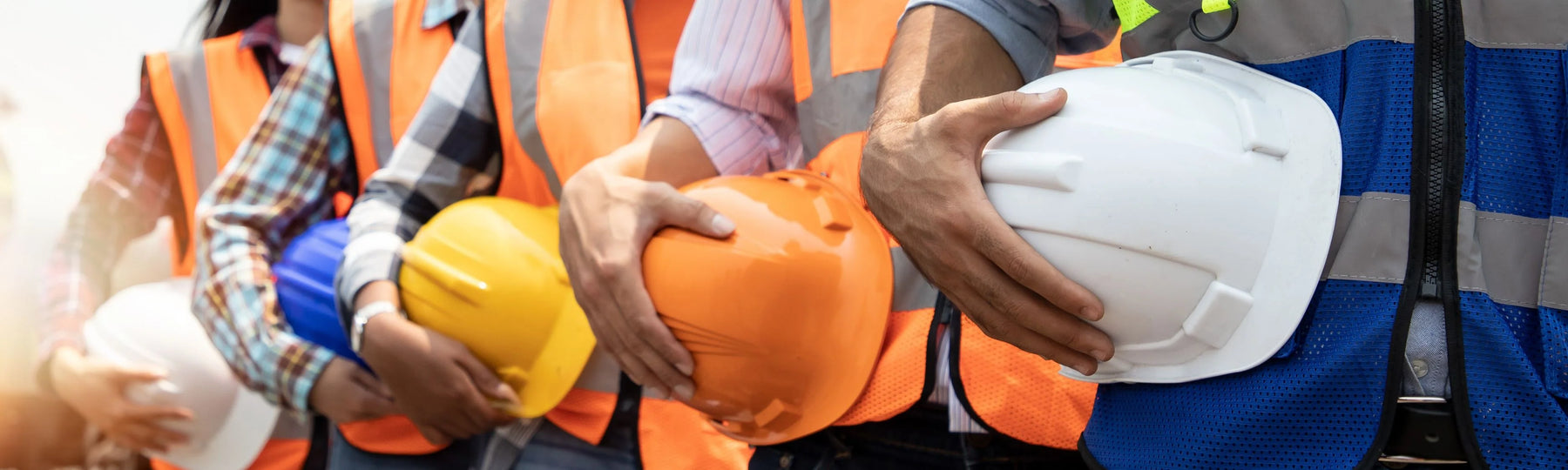

Construction crews regularly work near roof edges, floor openings, elevated walkways and other areas where a fall to a lower level is possible. Because these hazards are common across active jobsites, many contractors may ask: when is fall protection required in the construction industry? In most construction settings, OSHA requires fall protection when workers face a fall of 6 feet or more to a lower level, though the requirement can also apply near wall openings, ramps, runways and similar elevated hazards.
The exact requirement depends on more than height alone. Contractors also need to review the work surface, task, access route and nearby hazards before crews begin work. This helps teams choose the right protection before workers reach an edge, an opening or an elevated work area.
When Is Fall Protection Required in the Construction Industry According to OSHA?
OSHA fall protection requirements can vary depending on the type of construction activity, the work area and the level of exposure to elevated hazards. A crew working near an open edge may need a different setup than those near a floor opening, ramp, runway or shaft. Supervisors should thoroughly assess each area before work starts, as hazards can change as the job moves forward.
Crews should not wait until they reach the edge to decide what protection they need. A site review should identify where workers may face fall exposure and what system fits the work area. For multi-story projects, construction safety products, mobile fall protection devices, warning lines, harnesses and anchors can help teams address varying job-site conditions.
Why Construction Fall Hazards Change as Work Progresses
A construction site can change from one day to the next. Crews may add floor openings, remove temporary barriers, shift material routes or move work to a higher level. A route that looks controlled today may expose workers to a new edge, shaft or opening tomorrow. This is why supervisors should review fall hazards as each phase changes, not only during the first site walk.
Plans should match the current work area, task and access route. Temporary and reusable systems can help crews adjust when work shifts across perimeters, stairways, elevator shafts and other active zones. With strong construction fall protection planning, teams can maintain safer boundaries before crews reach a new hazard.
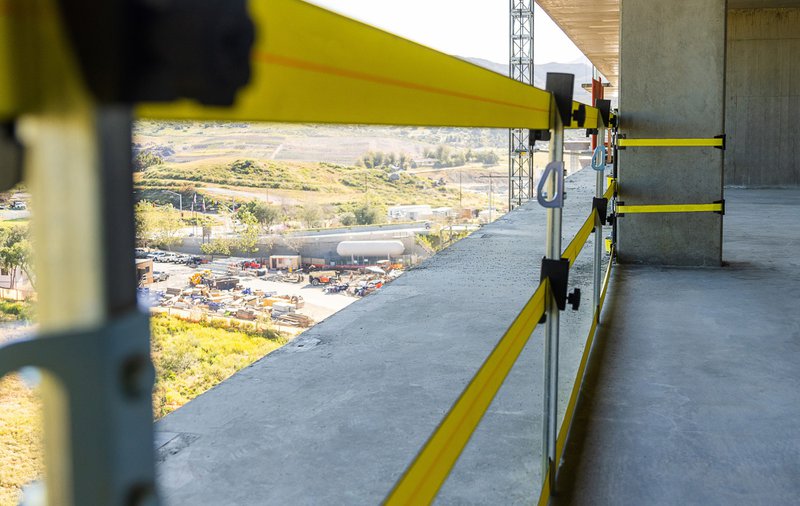
Common Construction Tasks That May Require Fall Protection
Fall protection needs often show up during ordinary jobsite tasks. Crews may work near a roof edge, floor opening, wall opening, ramp, runway, stair opening or elevator shaft. The hazard may look different from area to area, but the same question applies: could a worker fall to a lower level during the task?
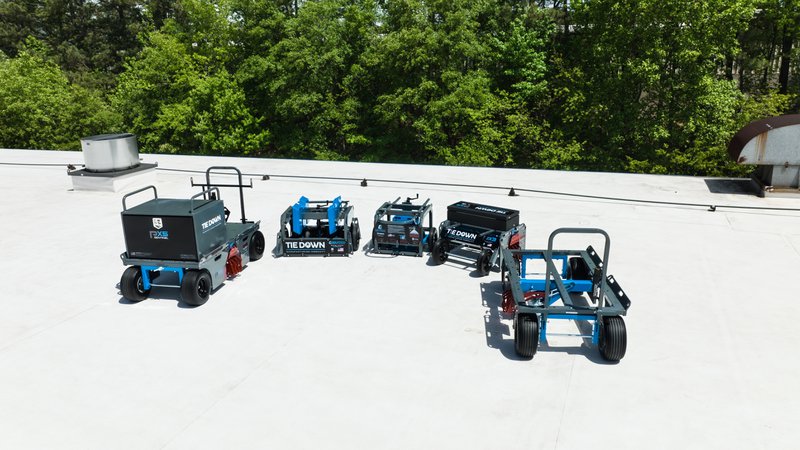
Supervisors should review the work area before crews start. A roofing crew may need one type of system, while workers near an opening, shaft or elevated walkway may need another. Mobile fall protection can help in some areas because certain systems create a secure anchor without piercing the roof surface. When teams match the protection to the task, they give workers clearer boundaries and reduce confusion near active fall hazards.
What OSHA-Approved Fall Protection Options May Apply?
OSHA allows several fall protection methods in construction, including guardrail systems, safety net systems and personal fall arrest systems. The right option depends on where crews work, how they move and what type of fall hazard exists. A roof edge, floor opening, shaft or elevated walkway may each require a different approach.
A personal fall arrest system usually includes an anchor, bodywear and a connector. Anchors provide the attachment point, harnesses support the worker and connectors link the worker to the system. Each part must fit the structure, the task and the worker’s range of movement.
Construction teams may also need temporary systems that adapt as the site changes. On active job-sites, construction fall protection should support changing perimeters, stairways, elevator shafts and other work zones. That keeps the focus on construction-phase safety, not long-term rooftop access products.
Why Fall Protection Planning Helps Crews Work with Confidence
Understanding when fall protection is required in the construction industry helps supervisors set clearer expectations before crews reach elevated work areas. Clear fall protection planning gives crews a safer way to work near heights. Workers should know where fall protection applies, which system to use and what safety limits to follow. That clarity helps reduce rushed decisions near edges, holes and other elevated hazards.
Planning also supports better job-site coordination. One crew may install temporary access, another may work near an opening and another may move materials along an elevated route. When the plan accounts for each phase, crews can adjust without losing sight of the fall hazard.
Safety Rail Source can help teams review jobsite fall hazards and identify practical construction-phase options such as WebRail, anchors and lifelines. To support safer work at height, contact Safety Rail Source before your next construction project begins.