
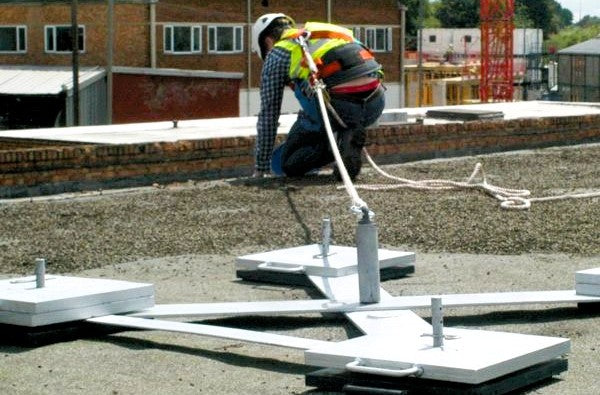
A fall protection harness and lanyard work as a single system. The harness supports the worker, while the lanyard connects that worker to a secure anchor. When the harness, lanyard, task, roof and worker all match, the system can perform as intended.
That match matters because the wrong setup can create real safety gaps. A worker may lack the reach, clearance or connection point needed for the task. A clear plan helps schools, property managers and facility owners choose the right pairing before work begins.
Why Fall Protection Harness and Lanyard Pairing Matters
A harness and lanyard may each meet their own standards, but they still need to work together. A harness can fit the worker, and a lanyard can pass inspection, yet the full system may still fall short if it does not match the task, anchor point and work area.
Having mismatched pairings can affect the worker immediately. A short lanyard with a high anchor can limit reach. A long shock-absorbing lanyard with a low anchor can allow too much fall distance before the system stops the worker. A back D-ring suits many fall arrest tasks, but side D-rings may be better when the job requires hands-free support.
Safety teams should review the full system before work starts. The harness, lanyard and anchor should work together, not as separate pieces. A review of anchors, bodywear and connectors helps teams match each part to the worker, the task and the roof condition.
How Fall Distance Shapes the Pairing
Fall distance is the space a worker may travel before the system stops a fall. Anchor location, lanyard length, deceleration distance, worker height and the surface below all affect that space. If the work area lacks clearance, the lanyard may not fit the task, even when it looks correct on paper.
A longer lanyard can give a worker more reach, but it also increases the distance needed to stop a fall safely. In lower-clearance areas, that extra length can create risk. The worker could contact a lower level, equipment or another surface before the system stops the fall.
That is why teams should review the work area before they choose the lanyard. A standard shock-absorbing lanyard may suit a fixed anchor with enough space below the worker. Tighter areas may call for a closer review of lanyards and SRLs, so the final setup fits the real conditions, not just the equipment label.
How Harness Selection Depends on Worker and Task
A harness should fit both the worker and the task. A loose harness can shift during a fall and increase injury risk. A tight harness can limit movement and make longer tasks harder.
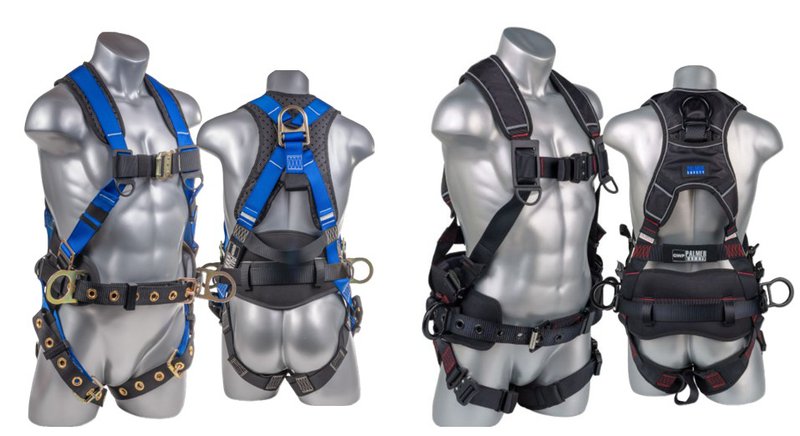
Weight capacity also matters. Teams should account for the worker’s body weight plus tools and equipment. A worker outside the rated range needs a harness that matches the actual load. Products, such as the Akula Premium Safety Harness, support work that requires a full body harness with multiple adjustment points and D-ring options.
D-ring placement also affects performance. Back D-rings support most fall arrest tasks, while front D-rings can suit ladder climb or rescue needs. Side D-rings can support hands-free work, but that setup does not replace fall arrest when a fall hazard remains.
How Lanyard Selection Changes by Job Type
Different tasks call for different lanyards, so the work area should guide the choice. A shock-absorbing lanyard can work well with a fixed anchor when the area below offers enough clearance. A self-retracting lifeline may fit better when the worker needs more movement or has less clearance below.
A positioning lanyard serves a different purpose. It can help hold a worker in place for a specific task, but it does not replace fall arrest when a fall hazard remains. If the task requires fall arrest, teams should pair the setup with the right backup system.
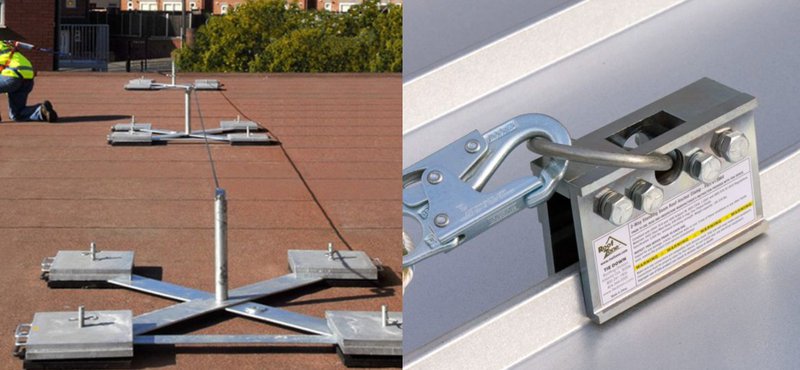
The connector also needs to match the anchor. A snap hook or carabiner should seat correctly and close fully before work starts. For roof work, a standing seam roof anchor support compatible tie-off options when the roof type and task call for that setup.
Why Inspection and Replacement Timelines Matter
A harness and lanyard need a pre-use inspection every time a worker puts them on. Workers should check webbing for cuts, burns, chemical damage, frays and broken stitches. D-rings, buckles and connectors should also move as intended and show no cracks, bends or deformation.
Shock absorbers and self-retracting lifelines need the same level of attention. A deployed shock pack means the lanyard should come out of service. An SRL should pay out, retract smoothly and lock when pulled sharply.
These checks help keep damaged, expired or deployed gear out of service before work begins. Inspection records also support a safer fall protection program because they give teams a clear way to track equipment condition, replacement needs and rescue readiness.
What to Review Before You Issue a Harness and Lanyard
A short review before use prevents mismatches. Facility teams should document the worker, the roof condition, the anchor location and the task before they issue equipment. This step helps crews avoid last-minute choices near an edge or opening.
Key items to review include:
- Fit checks: Confirm each worker can adjust the harness with normal tools and clothing.
- Inspection records: Track pre-use checks, annual inspections and date of first use.
- Anchor compatibility: Confirm connector fit and anchor load rating.
- Clearance review: Measure the space below each anchor before lanyard use.
- Worker instruction: Review don, doff, inspection and rescue steps.
- Replacement timelines: Track age, use history and removal from service.
Match the gear to how the roof functions today and how it may change over time.
For help with a fall protection harness and lanyard system that fits your facility, contact Safety Rail Source to review product options and related rooftop safety solutions.